
Lower Division
Interdisciplinary, rigorous, bilingual learning
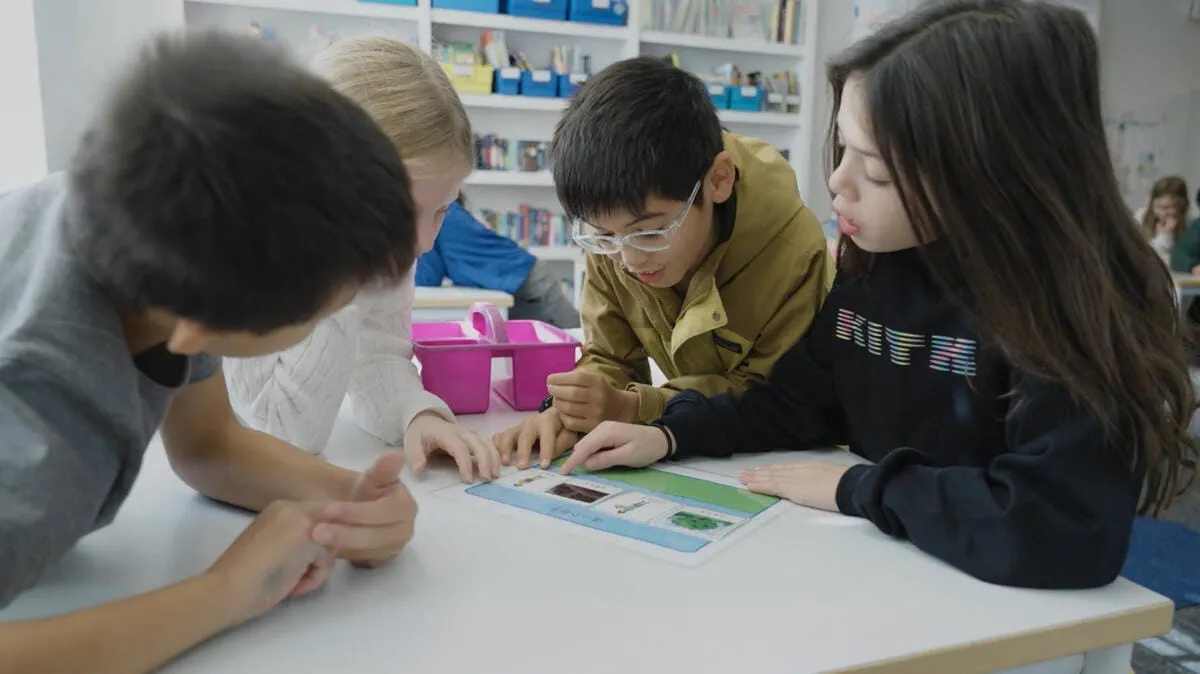
Fostering fluency in a world language
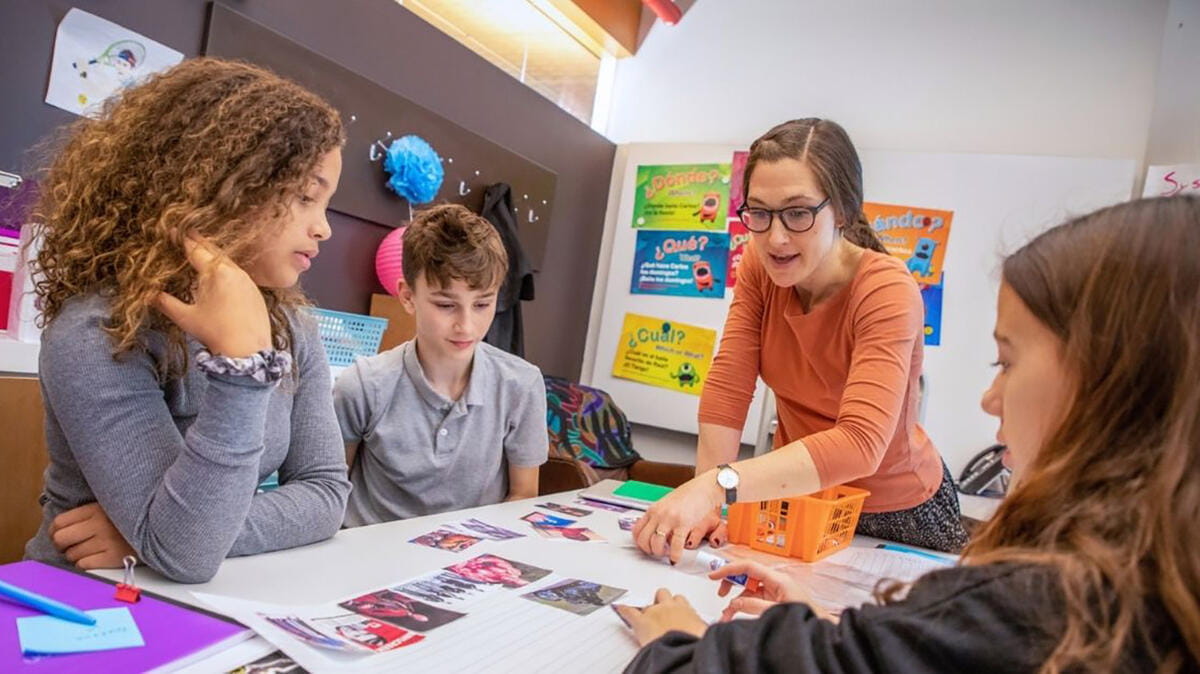
Critical thinking in action
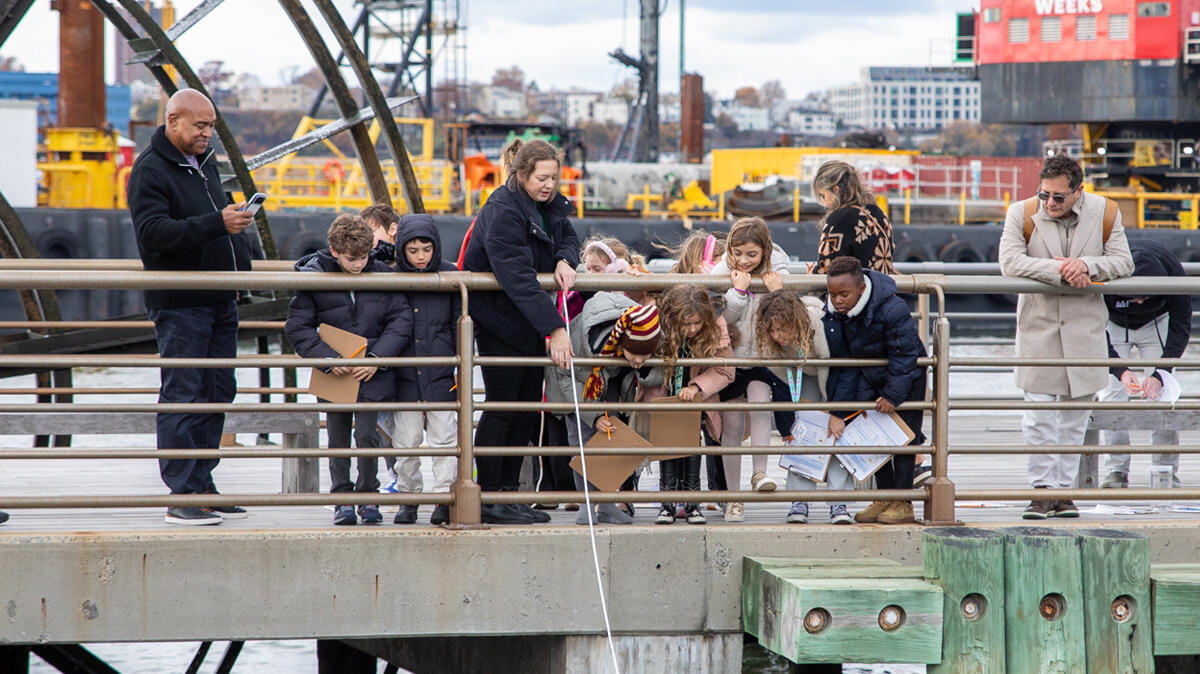
Fostering innovation and real-world problem solving
Benefits of language immersion


Academic Challenge, Personalized
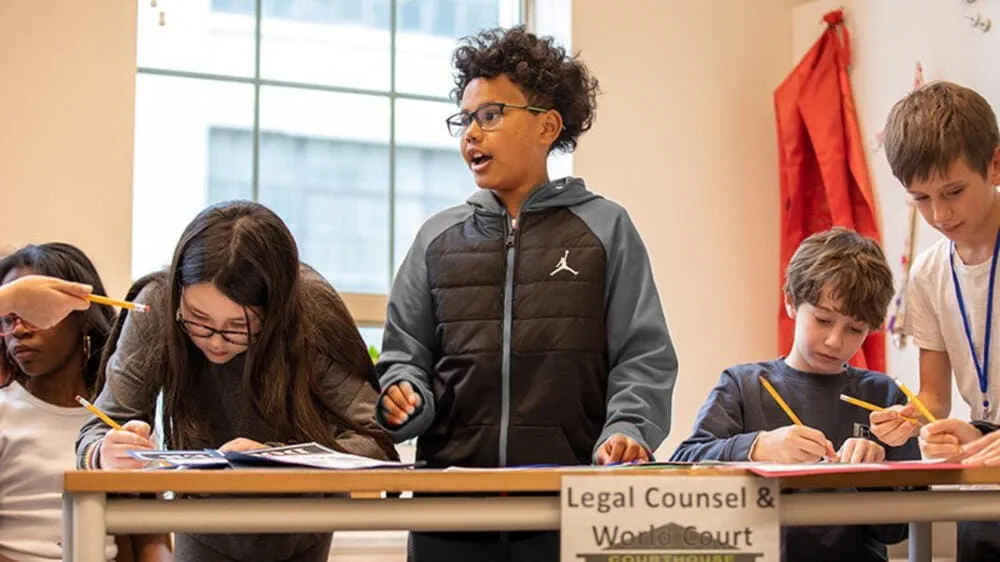
As students develop confidence and agency, many pursue advanced opportunities that extend learning beyond the core curriculum. Signature offerings like Junior Advanced Mathematics, invite students to engage deeply with complex problem-solving, mathematical reasoning, and collaborative inquiry in ways that nurture both challenge and joy. Across disciplines, students are encouraged to think critically, take intellectual risks, and develop the habits of confident, independent learners.
Culture and Connection
Students also begin building connections with peers beyond New York through collaborative projects and exchanges with peer schools across the globe. These early experiences help students see language as a tool for communication, friendship, and understanding while expanding their awareness of different cultures and communities.
Together, these opportunities help students strengthen their sense of belonging, develop empathy and curiosity, and build the intercultural understanding that prepares them for deeper global learning experiences in the Upper Division.
A day in the life of Lower Division
Our teachers & our facilities
Teachers who know when to support, and when to stretch
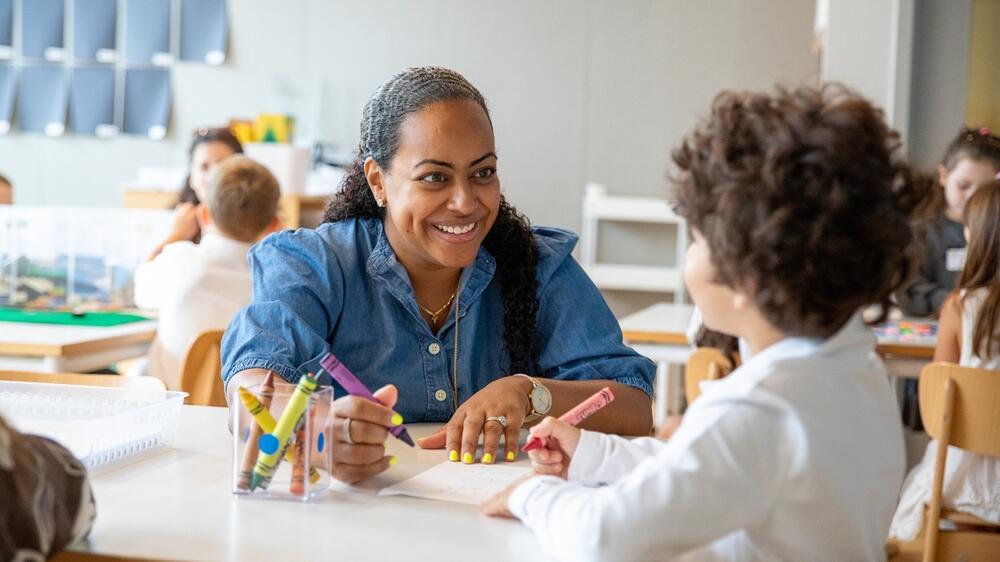
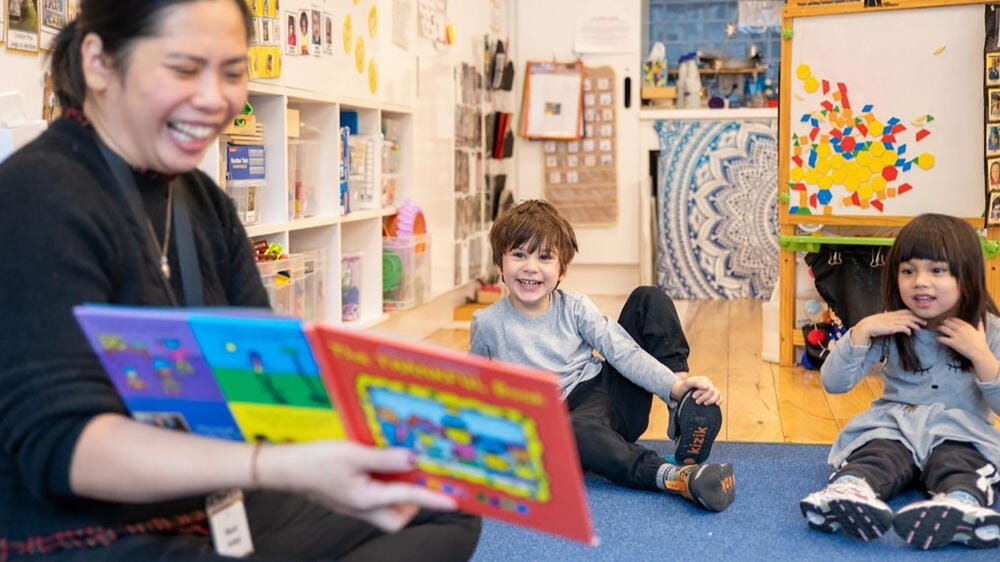
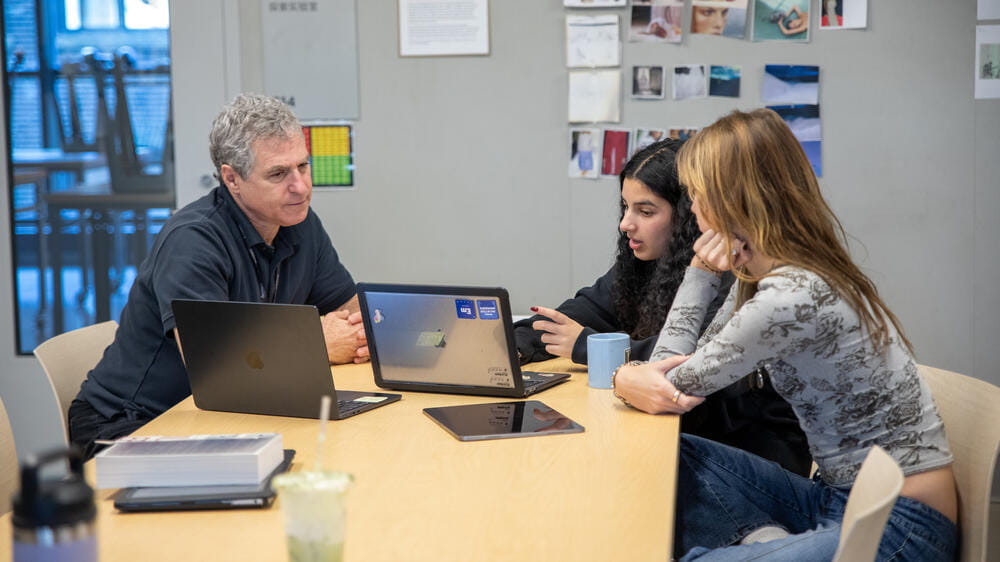
Lower Division students learn with expert faculty across languages and disciplines. Classroom teachers work across English and either Mandarin Chinese or Spanish, while specialist teachers deepen learning in science, art, music, library, dance and Wellness and Movement. Together, they create an environment where students are deeply known, appropriately challenged and increasingly encouraged to take ownership of their learning.
Our space: a campus that expands the classroom
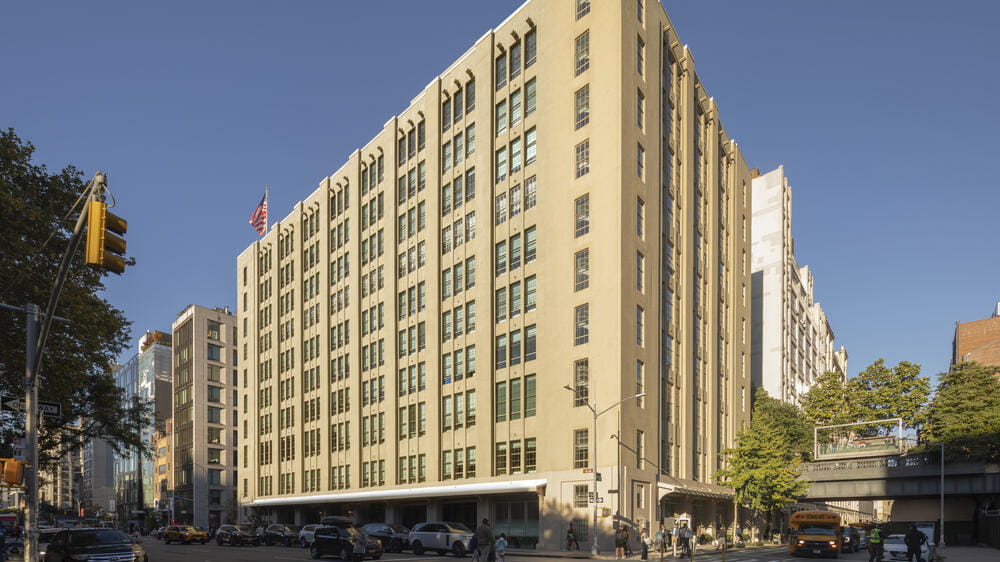
Lower Division students learn throughout our 315,000-square-foot campus in the heart of West Chelsea, with spaces designed for academic learning, creativity, collaboration and movement. And learning regularly extends beyond the building itself: with the High Line, galleries and cultural institutions just outside our doors, New York City becomes another place to investigate ideas, make connections and experience learning in context.
Get to know us better at an event
Your child’s Avenues journey starts here


 © 2026 Avenues: The World School All rights reserved.