
Middle Grades
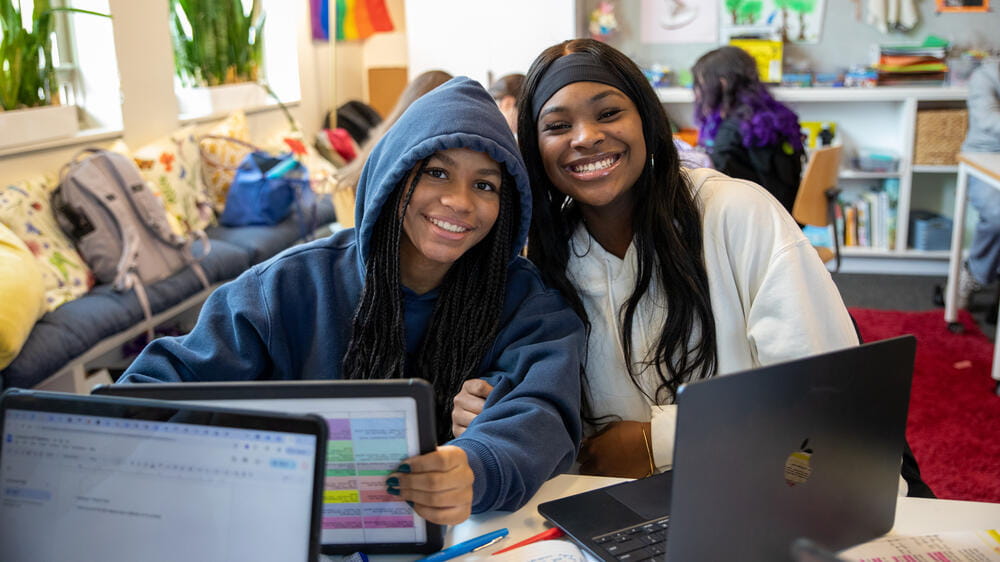
In the middle grades (6–8), students enter a transformative stage of growth — academically, socially, and personally. At Avenues, these years are intentionally designed as a bridge between the strong foundations of the Lower Division and the increased independence, leadership, and academic depth of the upper grades. Through a rigorous global curriculum, individualized social-emotional support, and a robust menu of co-curricular opportunities, students are encouraged to stretch beyond their comfort zones while being supported through the changes and challenges of early adolescence.
Go to AdmissionsSIGNATURE PROGRAMS
Advanced real-world learning
Unique to Avenues New York, our signature programs reimagine what’s possible at middle school. With programs across a range of disciplines–from math to arts to entrepreneurship–every student can pursue innovative learning in an area that interests them.
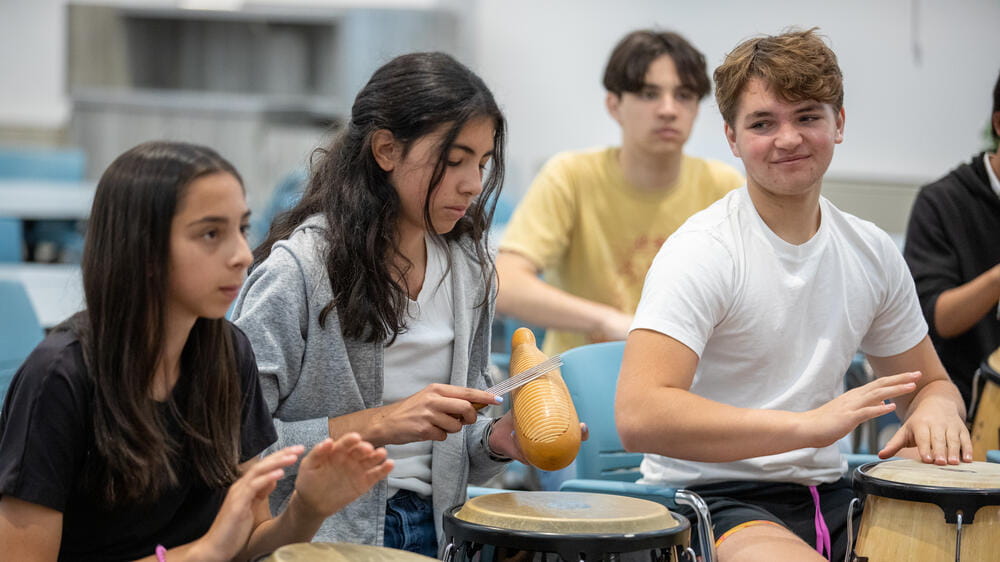
J-TERM
A “mini-term” for deep, immersive learning
J-Term is an annual opportunity for middle grades students to develop global leadership skills. Students choose from a range of unique learning experiences, from social innovation and community engagement to their own specialized studies in the arts, math or entrepreneurship.
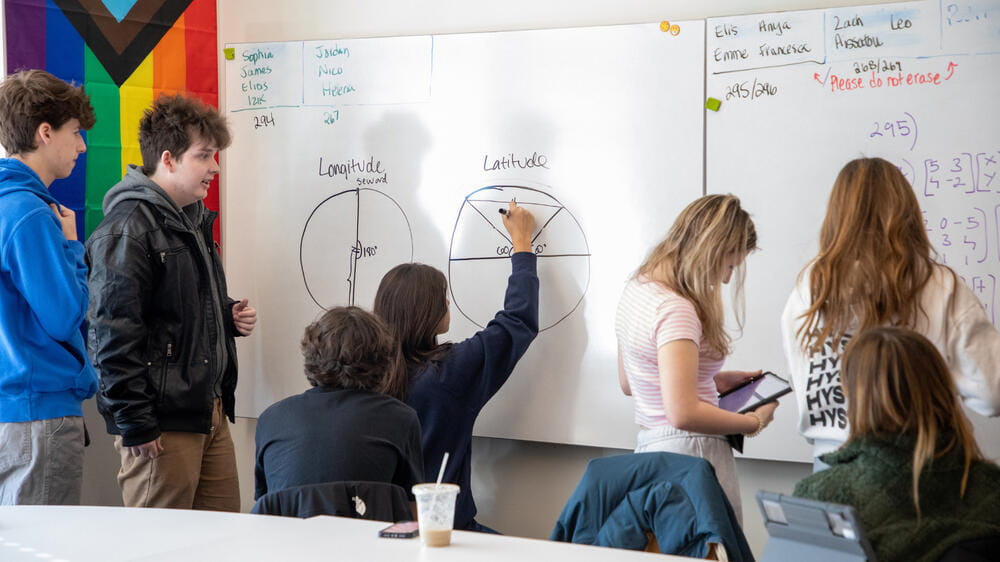
ADVANCED MATH
Avenues Institute for Advanced Mathematics (IAM)
Combining conceptual rigor with real-world application, our selective math program was designed for students who feel driven to produce groundbreaking work in pure and applied mathematics.
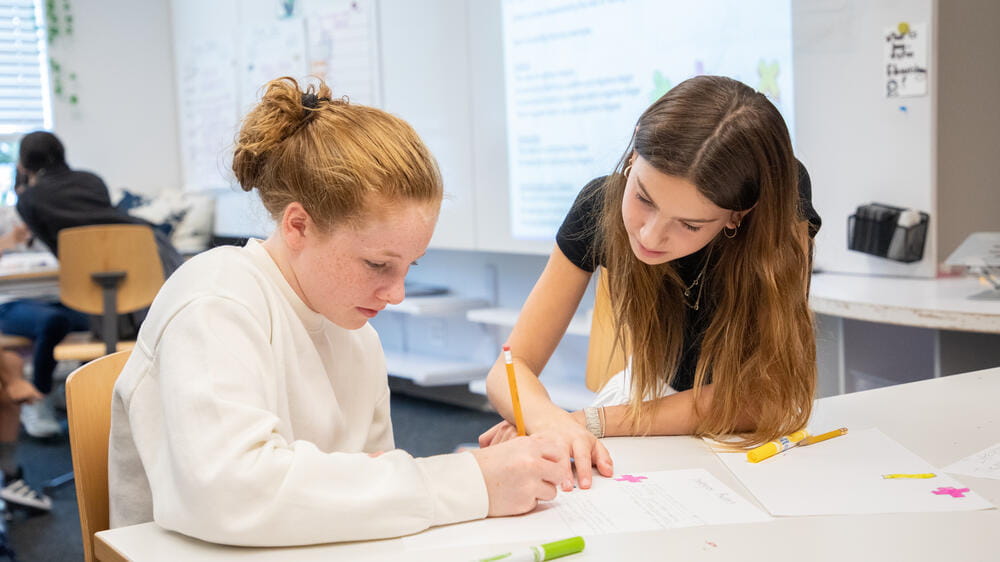
HIGH-INTENSITY PRACTICE
Fostering core skills through persistent practice
We developed High-Intensity Practice (HIP) to train students in key thinking skills such as empathy, creativity, and abstraction. In frequent, highly focused and carefully structured sessions of writing, math, and coding, students sharpen their executive functioning and working memory.
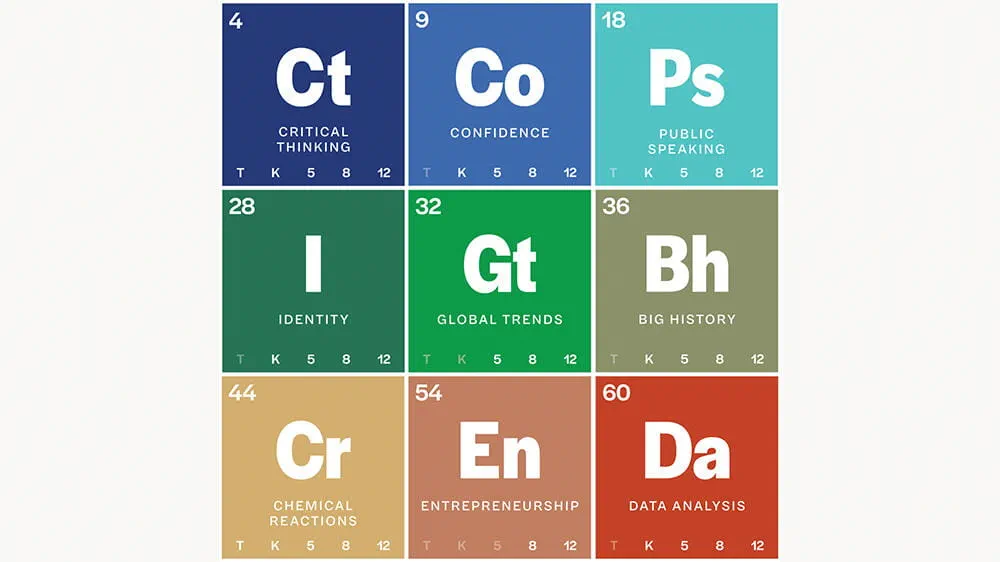
THE AVENUES WORLD ELEMENTS
A global curriculum designed with the future in mind
The Avenues World Elements (AWE) define the knowledge, skills, and qualities that every Avenues student develops on their journey from early childhood through graduation. From empathy to entrepreneurship, creativity to classic works, AWE defines both what and how students learn at Avenues New York .
ACADEMICS
The Middle Grades Curriculum
Our research-backed global middle school curriculum ensures that students develop strong subject-based knowledge while also equipping them to apply their knowledge in new contexts. Rigorous project-based learning and interdisciplinary study foster creativity, critical thinking, and a global mindset.
- English
- Integrated Science
- Math
- Arts
- World Course
- Modern Languages
- High-Intensity Practice
- Wellness and Movement
- English
- Integrated Science
- Math
- Arts
- World Course
- Modern Languages
- High-Intensity Practice
- Wellness and Movement
English
Our English program is designed to foster skillful, passionate readers and graceful, compelling writers. Throughout the middle grades, students read and write across a wide variety of genres, including poetry, prose fiction, and nonfiction.
Grade 6
Grade 6 texts have included I Am Malala, The Circuit, Romeo and Juliet, Before the Ever After, and selections from verse novels, poetry, and nonfiction. Projects have focused on the analytical essay, personal narrative, short story collections, and adaptations from text to stage.
Grade 7
Grade 7 texts have included Other Words for Home, Fahrenheit 451, The Giver, Zane and the Hurricane, The Omnivore’s Dilemma, Alice’s Adventures in Wonderland, Born a Crime, and selections from dystopian novels, poetry, and works of nonfiction. Projects have focused on the analytical essay, memoir, journalism, graphic novel, and more.
Grade 8
Grade 8 texts have included The Song of Achilles, To Kill a Mockingbird, selected stories from The Moth, and a wide range of short stories from different authors, genres, and time periods. Projects have included the critical essay, personal narrative performed aloud, short stories, and original podcasts.
Integrated Science
In our inquiry-based, hands-on science program, middle grades students learn to think like a scientist. We support students to develop and apply their learning across earth science, biology, chemistry, and physics, and demonstrate it through labs and real-world case studies.
Grade 6
In grade 6, students explore how climate change is affecting life in urban environments around the world. They study the scientific processes driving climate change and investigate possible solutions to the problems caused by a heating planet. Focusing on the broad themes of earth and life, students develop the skills of data analysis, reading, writing, and modeling.
Grade 7

In grade 7, students investigate what it means to be a scientist with two goals in mind: first, to acquire the skills necessary to explore the wonders of the physical world; and second, to understand how science can be both applied for good and misused within society. Students focus closely on the concepts of ecosystems, evolution, scientific method, and energy, while developing the skills of data analysis, pattern detection, reading, writing, and modeling.
Grade 8
In grade 8, students are challenged to ask and pursue key questions about the world around them. The year is divided into four units: thermal energy transfer and efficiency; chemical reactions; food and digestion; and balanced and unbalanced forces. Students engage in scientific theory as well as hands-on projects and investigations, developing a deeper understanding of concepts such as system dynamics, the structure and function of the body, and chemical reactions.
Math
Using an inquiry-based approach, we develop students’ knowledge and skills across a range of areas, including number sense and theory, data and statistical reasoning, algebraic thinking, and geometric and spatial representations.
Grade 6
Students begin with a study of the real number system, examining how numbers relate to each other with prime factorization, least common multiples, and greatest common factors. After mastering operations on rational and irrational numbers, students look at ratio and proportion through the lens of equivalent fractions and then tackle the concept of percentage. They explore the foundations of data and statistical reasoning, algebraic thinking, and geometric and spatial representations.
Grade 7
Grade 7 begins with a deeper dive into number theory and the concepts of ratio and proportion, enabling students to begin graphing and solving direct proportion problems. This leads to more study of algebraic manipulation and investigations into other linear relationships. Students learn to solve one- and two-step equations in preparation for more rigorous coursework in 8th grade. The year finishes with a study of two- and three-dimensional geometric shapes and representations.
Grade 8
In grade 8, students take Integrated Math 1, the prerequisite of which is completion of 7th grade mathematics (pre-algebra or the equivalent for incoming students). The year begins with an investigation into the distance between two points on a number line, leading to an understanding of absolute value. Students learn about operations with radicals and exponents, which leads to a study of quadratic equations. Exploring the Pythagorean theorem and its applications, students develop an understanding of the distance between two points on a coordinate plane.
Arts
We offer three arts options for students in grades 6–8: visual arts, instrumental, and singing.
Performing Arts: Instrumental
This class is designed for students who play an instrument and want to be part of an ensemble. Students play music in a variety of styles, including rock, jazz, world music, classical and folk. They engage with music theory and practice reading music, while also learning to improvise and compose their own original music. This class is open to all instruments, including piano and guitar.
Performing Arts: Singing
In this performance-based class, students explore a variety of styles, including popular music, musical theater, a cappella, jazz and rock. Students sing together in small groups and solo. A portion of the songs we sing in class relate to themes, cultures, and historical periods covered in other classes, such as World Course and modern languages. This interdisciplinary approach helps students make connections between music and other disciplines, making their experience doubly meaningful. Audition is not required, but students must demonstrate a strong commitment to performing.
Visual Arts
Students explore a wide range of 2D and 3D materials and practices, including drawing, painting, ceramics, sculpture and digital art and design. With each project, students learn new techniques while exploring their unique ways of seeing and representing the world. Students gain a deep understanding of the artist’s process and the critical role that art plays in contemporary culture and has played throughout history. Through interdisciplinary project work, students become confident makers both in the studio and in other academic subject areas.
World Course
In the World Course, students deepen their understanding of the world around them via the interdisciplinary study of global humanities. In a series of projects, students develop critical thinking and historical research skills while engaging with a range of primary and secondary sources.
Grade 6
In grade 6, students explore peoples and cultures in a focused study of New York City. Engaging with a range of sources including books, articles, maps, and data sets, they hone their reading, research, writing, and presentation skills. In past projects, students have created a guide book to New York telling the stories of its neighborhoods and cultures, and have designed and advanced initiatives to strengthen the campus community based on historical and ethnographic research.
Grade 7
In grade 7 students examine civilizations and their fundamental guiding structures. They examine how global trends and transformative events have shaped our present and may help us address challenges of the future. Students engage with books, articles, maps, and data sets in order to hone their reading, research, writing, and presentation skills. In past projects, students have simulated the Industrial Revolution in order to study the costs and benefits of rapid urbanization, and analyzed the social, economic and environmental impact of new inventions and policies.
Grade 8
In grade 8 students investigate the social, cultural and political forces that shaped the founding of the United States, and examine how those forces continue to resonate today. Students engage with books, articles, maps, and data sets in order to hone their reading, research, writing, and presentation skills. In past projects, students have reimagined the Constitutional Convention to include a broader and more equitable set of constituents and founding documents, and designed and presented a community outreach project to advocate for a cause.
Modern Languages
Middle grades students take either Mandarin Chinese or Spanish in sections based on their proficiency levels.
Intermediate to Advanced Learners
Students whose current language proficiency aligns to the "Intermediate Low” to “Advanced" levels of the Avenues Language Scale are challenged to take on increasingly sophisticated tasks in their target language. These tasks might include writing a research paper, translating poetry, or addressing a real-world problem in a project. At the same time, students continue to shore up their command of high-level grammar and conventions.
Novice Learners
Students whose current proficiency aligns to the "Novice Low” to “Novice High" levels of the Avenues Language Scale are enrolled in courses for beginning and emergent language learners. These courses focus on building foundational skills and developing written and oral expression, with an ultimate goal of preparing students to engage in more challenging courses in the upper grades (9–12).
High-Intensity Practice
We developed High-Intensity Practice (HIP) in order to foster in students the cognitive flexibility that underlies advanced problem-solving, creativity, and critical thinking.
HIP Thinking
In HIP Thinking classes students use the HIP methodology to tackle a range of math, writing and coding challenges. Lessons are built around a 45-minute period of focused and deliberate practice and aim to develop one or more of the eight Avenues World Elements in the “thinking” category: empathy, creativity, critical thinking, metacognition, reasoning, mental agility, abstraction, and planning. Middle grades students have the opportunity to practice the HIP methodology in English, Spanish, or Mandarin Chinese.
Wellness and Movement
Spanning grades K–12, Wellness and Movement (WAM) is our signature health and physical education program, rooted in positive psychology and dynamic play. The purpose of WAM is to foster in students the knowledge, skills, and values that will enable them to live healthy, active, and meaningful lives.
Movement
WAM supports students to establish a regular pattern of physical exercise and attend to their own personal well-being. Students practice fundamental movement skills and a range of team activities and games while learning how to set and pursue goals, plan for the future, and monitor their own thoughts, feelings and behaviors. Movement activities include track and field challenges, pickleball, volleyball, flag football, kickboxing, yoga and pilates.
Wellness
In Wellness classes, students explore questions of personal identity and social responsibility, and deepen their understanding of healthy decision-making around relationships, sexual health, substance use, sleep, and nutrition.
The middle grades fast facts
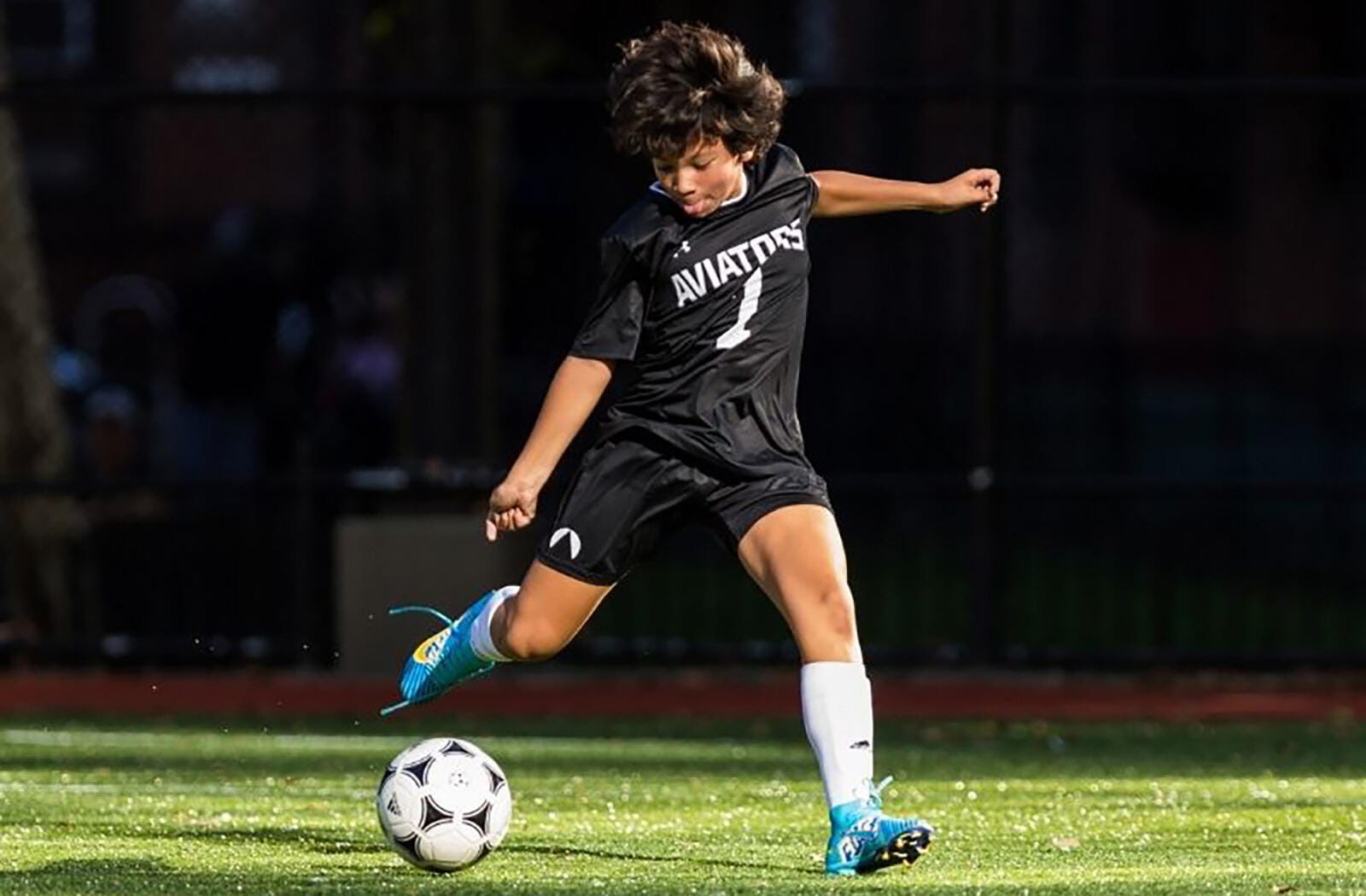
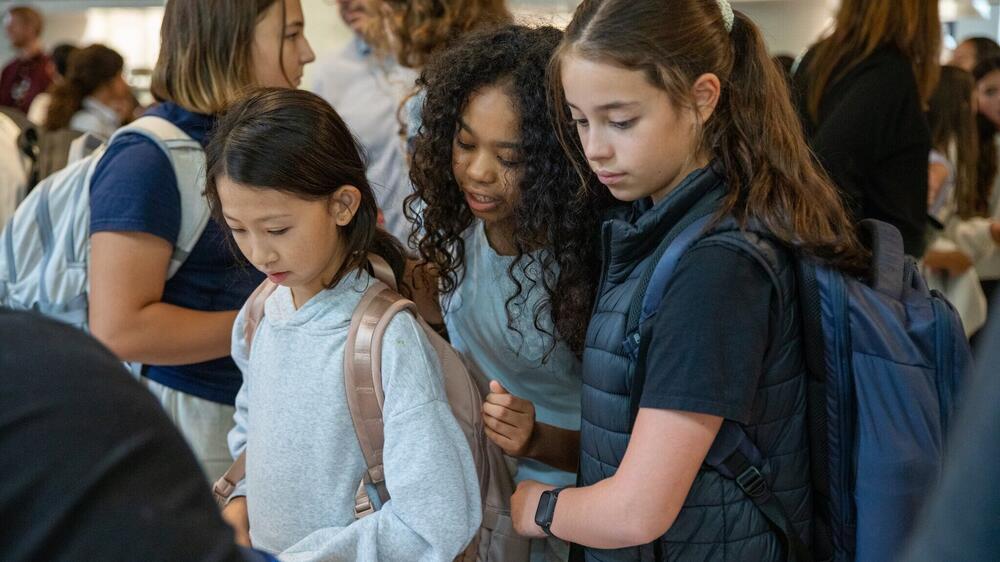
Student life in middle grades is rooted in community and enriched by abundant opportunities for exploration in and beyond the classroom.
STUDENT LIFE
A vibrant community where every student belongs
Middle grades students can choose from 20+ co-curricular activities and affinity groups. If students have a vision for a club that doesn’t exist yet, we support them to set it up, helping to foster leadership and community-building skills. Campus life is further enhanced by our many annual traditions and seasonal celebrations, Lunar New Year and Día de los Muertos.
Activities included: Acapella Club, AIT (AI in Tech), Asians @ Avenues, Astrophysics Club, Avenues Art Club, Avenues Robotics, Black Student Union (BSU), Business and Finance Club, Ceramics Club, Chess Club, Debate Club, Education For All, Gender & Sexuality Alliance (GSA), International Student Council (ISC), Italian Culture Club, Jewish Culture Club, Latin American Student Union (LASU), Model United Nations, Service Learning Club, and Spanish Immersion Club, and more.
Activities included: Acapella Club, AIT (AI in Tech), Asians @ Avenues, Astrophysics Club, Avenues Art Club, Avenues Robotics, Black Student Union (BSU), Business and Finance Club, Ceramics Club, Chess Club, Debate Club, Education For All, Gender & Sexuality Alliance (GSA), International Student Council (ISC), Italian Culture Club, Jewish Culture Club, Latin American Student Union (LASU), Model United Nations, Service Learning Club, and Spanish Immersion Club, and more.
STUDENT WELLBEING
The Deans Program
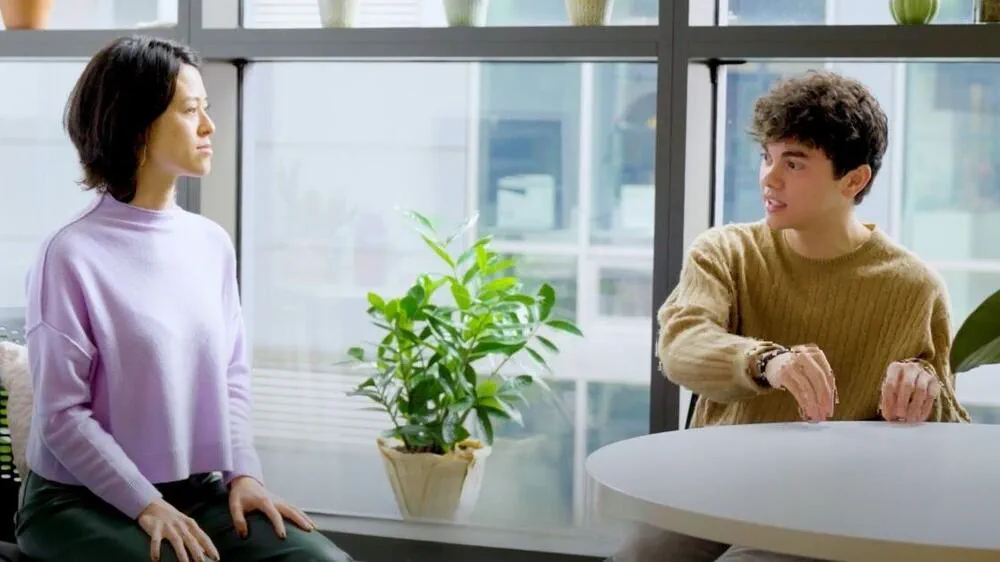
The deans at Avenues are full-time mentors whose primary responsibility is the social-emotional well-being and academic success of their students. Working closely with faculty and the Student Success Team (comprising counselors, psychologists, and learning experts), deans ensure that students are fully supported and appropriately challenged at school. Beginning in 6th grade, students are matched with their dean, who provides dedicated guidance as they navigate the changes of pre-adolescence, ensuring that every student is seen, known, and supported.
EXPERIENCE AVENUES
Get to know us better at an event
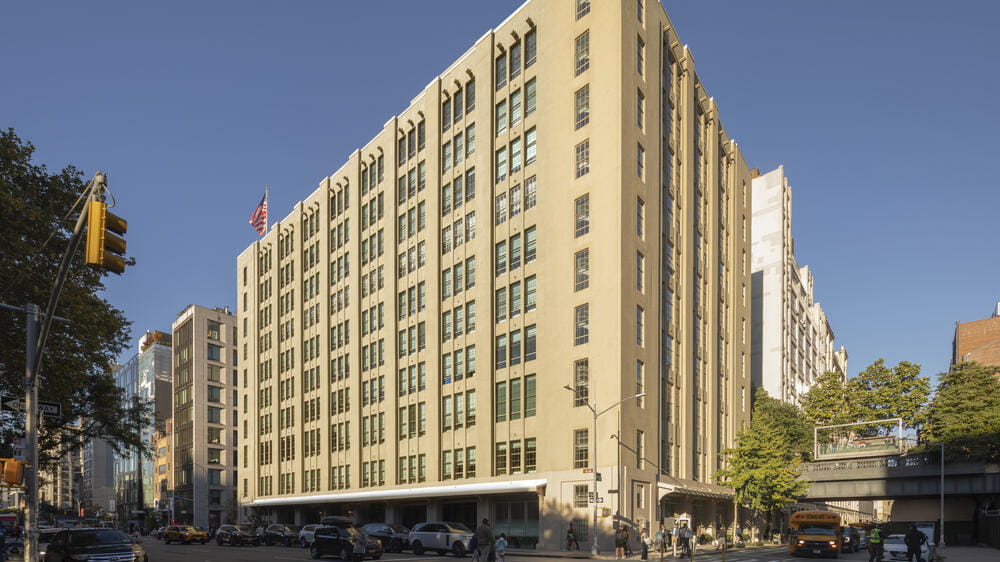
Join us in-person or online for an event, where you can explore our innovative curriculum, meet our leaders, and discover the transformative learning journey your child will experience at Avenues.
LEARN MORE
Your child’s Avenues journey starts here
Our admissions team stands ready to support your family as you consider Avenues. Get in touch to find out where an Avenues education could take your child.


 © 2026 Avenues: The World School All rights reserved.