
AI and the Future of Education

Thirteen Ways of Looking at AI: Exploring the Future of Education
The most important questions about artificial intelligence in education are not fundamentally technological. They are human.
What kind of education does a child need in a world where intelligence is no longer exclusively human? What happens to creativity when machines can generate art and ideas? Which human capacities become more valuable as AI becomes more capable? And how can schools prepare students for a rapidly changing future?
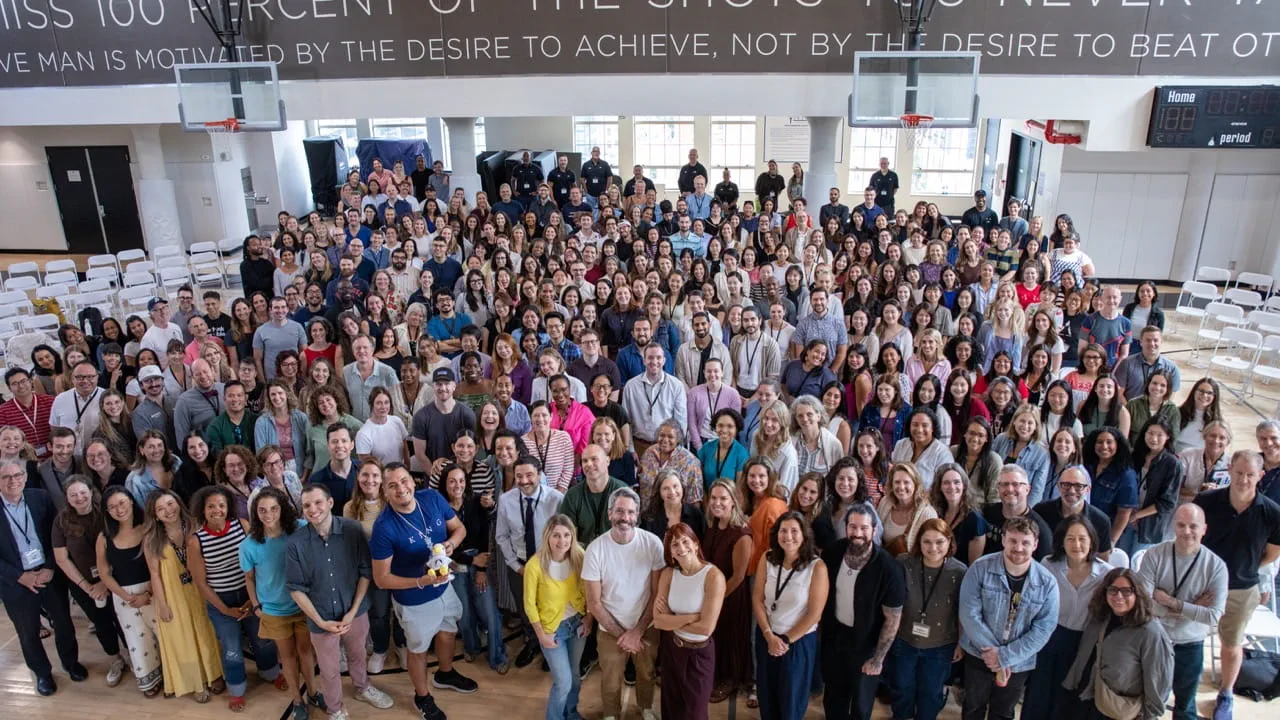
Those questions formed the foundation of Thirteen Ways of Looking at AI, an evening of learning and conversation that brought together nearly 300 Avenues New York parents, faculty, and members of our AI Advisory Board.
Exploring AI Through 13 Different Lenses
Inspired by Wallace Stevens’s poem Thirteen Ways of Looking at a Blackbird, the event explored artificial intelligence through multiple perspectives—13 to be exact.
Participants joined small-group seminars led by faculty and advisors on topics ranging from creativity and family life to technology, work, ethics, and the purposes of education itself. The evening culminated in a panel discussion examining the opportunities, uncertainties, and responsibilities that accompany this new era.
Together, these conversations gave families and educators a chance to consider how AI is shaping students’ lives—and what that means for their education.
Human Skills in an AI-Shaped World
A common theme emerged throughout the evening: while AI is transforming how we live and work, it also sharpens our understanding of what it means to be human.
Judgment, curiosity, empathy, discernment, imagination, and ethical reasoning are becoming more important, not less. As students learn to engage with increasingly capable tools, they also need opportunities to ask thoughtful questions, evaluate ideas, consider different perspectives and take responsibility for their choices.
These capacities are central to the broader questions the evening explored: What should students learn? How do they learn best? And what kind of people do we hope they become?
How Avenues Approaches AI in Education
These questions have guided Avenues’ work for several years. We have developed schoolwide principles for engaging with AI, expanded opportunities for students to explore and use these tools thoughtfully, and established an AI Advisory Board which includes Sinan Aral, Ed Huang, and Blair Miller, to help inform our approach.
At Avenues New York, we see artificial intelligence as a development with implications across teaching and learning. Engaging with it means considering both how students use emerging technologies and how their education helps them develop independent thinking, creativity and ethical judgment.
Continuing the Conversation About AI and Learning
The questions raised during Thirteen Ways of Looking at AI will not be resolved in a single evening. Nor should they be. Educators, families, students, and society as a whole will continue exploring them for years to come.
As artificial intelligence reshapes the world around us, we remain committed to helping students engage with it thoughtfully, ethically, and creatively, while developing the human capacities at the heart of an Avenues education.
We invite you to watch highlights from the event and join the conversation.
Watch the recap video below.
Learn more about Avenues approach to AI.
Explore more...
LOAD MORE NEWS
Digital Citizenship at Avenues: Building Critical Thinking and Healthy Technology Habits
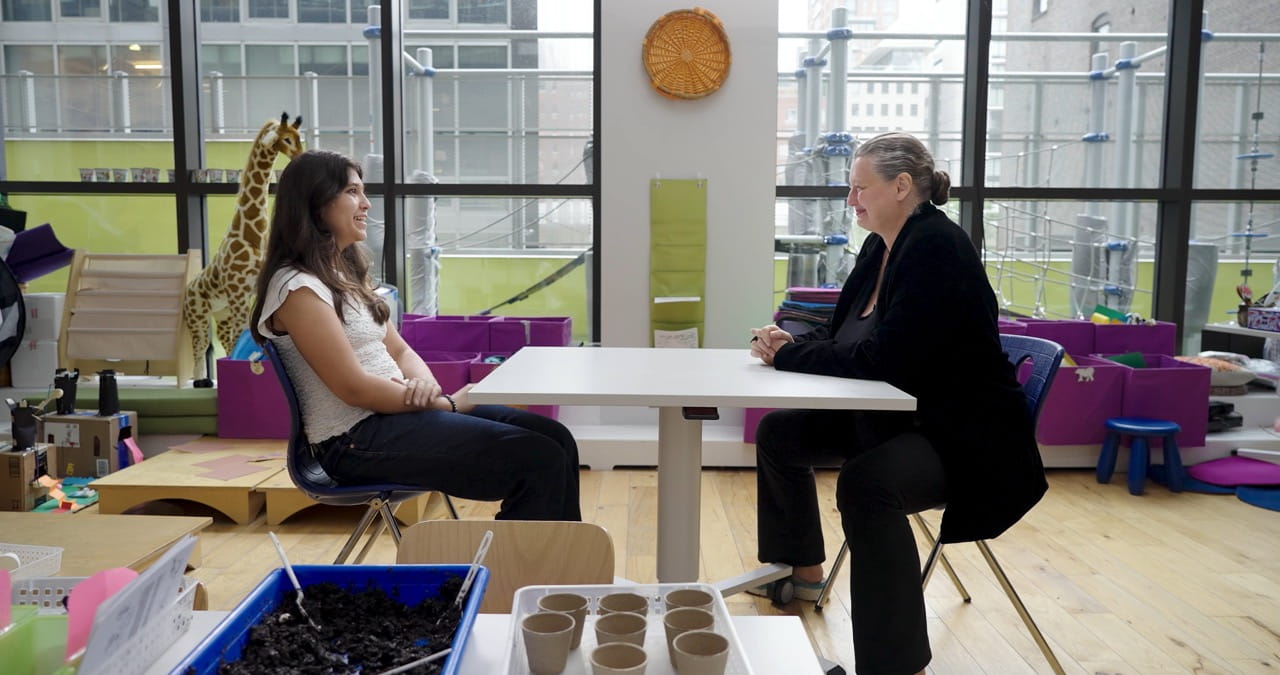
From Kindergarten Curiosity to Stanford: Sophia Lande & Professor Galapagos
What Makes Avenues Soar: Beginning Our 15th School Year


 © 2026 Avenues: The World School All rights reserved.